
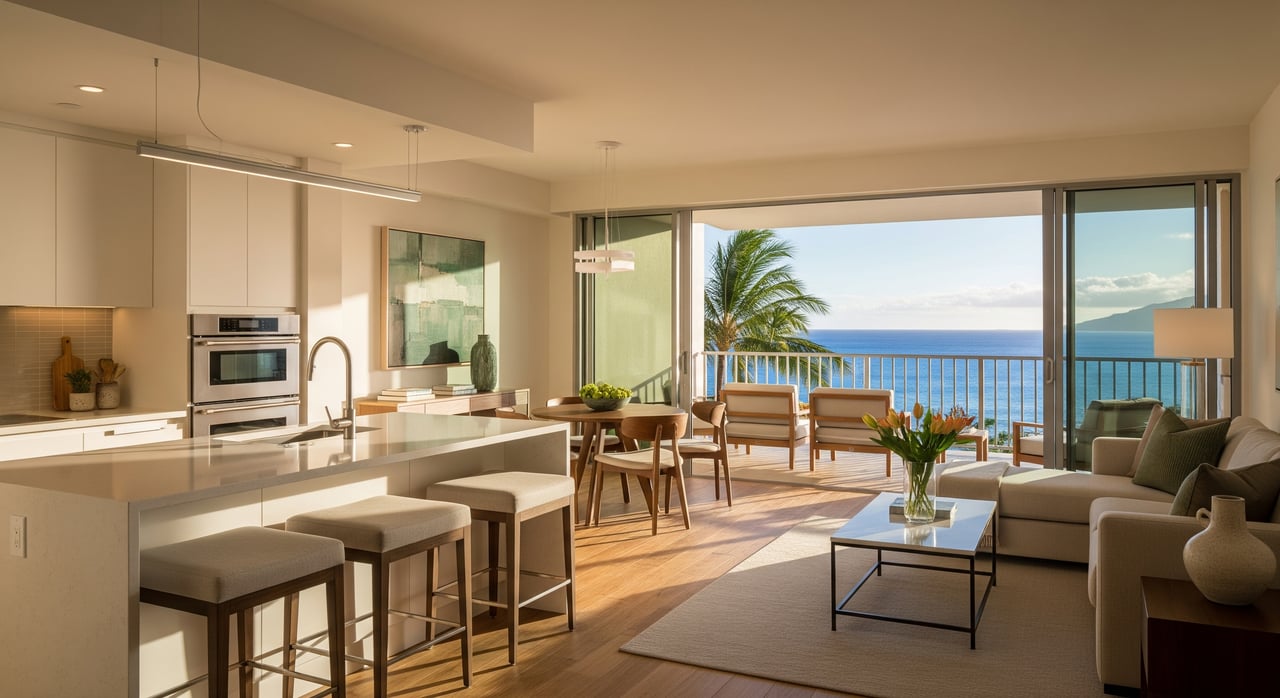
Thinking about selling your Honolulu condo but not sure where to start? A smooth sale in the city often comes down to preparation, clear disclosures, and the right documents at the right time. You want strong offers and a clean escrow, without last‑minute surprises. This checklist walks you through what to gather, what to disclose, and how to set up your sale for success in Honolulu. Let’s dive in.
Start smart: gather the basics
- Title and mortgage: deed, loan payoff info, and any lien notices.
- Association contacts: management company, board contact, and how to order the resale packet.
- Repairs and warranties: recent invoices, permits, and appliance manuals.
- Begin your seller disclosure: Hawaii requires a Seller’s Real Property Disclosure Statement under HRS Chapter 508D. Use accurate, documented information.
Hawaii’s required disclosures and timing
Hawaii law requires sellers to deliver a written disclosure of material facts that could affect value or desirability. Under HRS 508D, you must act in good faith and with due care. Buyers have specific rights tied to when they receive your disclosure.
Work with your agent to meet contract deadlines. If you learn new information later, update the disclosure promptly so the buyer can review it without delaying escrow.
Short‑term rental status in Honolulu
Honolulu requires sellers to disclose whether a property can be used as a legal short‑term rental. If your unit has a Nonconforming Use Certificate or registration, be ready to share those records, along with renewals and any city correspondence. The city’s program rules have evolved, and a 2024 state law expanded county authority to regulate short‑term rentals. See the state’s Act 017 summary for context on county powers in SB2919.
- What to gather if applicable: NUC or registration, renewal confirmations, and Transient Accommodations Tax and General Excise Tax filing history.
- For city process and disclosures, review Honolulu short‑term rental guidance summarized here: Honolulu STR regulations overview. Some sellers also use a city form like the Honolulu Short‑Term Rental Disclosure Statement.
Order your condo association resale packet
Buyers and lenders expect an association “resale packet” or estoppel. Order this early to avoid delays. It typically includes:
- Estoppel or resale certificate that shows your assessment status and any amounts due.
- Governing documents: declaration or CC&Rs, bylaws, house rules, and rental rules.
- Budget and reserve information: the most recent budget and reserve study or summary. Hawaii requires reserve disclosures and updated studies at set intervals, so confirm your building’s compliance. See a summary of reserve requirements and updates here: Hawaii condominium reserve updates.
- Financials and risk items: recent financial statements, a delinquency report, and any notices about litigation or loans.
- Insurance summary: master policy type, coverage limits, and deductibles, plus any owner policy requirements.
- Recent open‑session board minutes that show planned projects, assessments, or disputes.
- Life‑safety and building compliance items if applicable, such as elevator certification and fire‑system testing.
Ask your association how to request the packet, the fee, and the expected turnaround. Confirm who pays the association fee in your purchase contract.
Prepare your unit for market
A well‑prepared unit photographs better and gives buyers confidence.
- Clean, declutter, and handle obvious cosmetic repairs.
- Gather appliance manuals and warranties to reduce post‑inspection questions.
- Disclose known pest or moisture history. Hawaii’s climate makes termite and mold questions common, and they are addressed in HRS 508D.
- Consider a pre‑listing inspection if your unit has older plumbing, electrical, or windows. Early fixes can prevent renegotiation later.
Building‑level readiness buyers will ask about
Many buyer questions focus on the building’s long‑term plan and insurance.
- Reserves and projects: Be ready to explain planned repairs, concrete or façade work, elevator upgrades, and plumbing risers, with sources from the reserve study and minutes. Learn more about reserve planning expectations in Hawaii here: Condo reserve guidance and industry context from CAI’s reserve study resources.
- Insurance: Know the master policy deductible and major exclusions. Lenders will want evidence of adequate master coverage.
Money and closing prep in Hawaii
- Conveyance tax: In Hawaii, the transferor commonly pays the conveyance tax. Rates are statutory and can change, so confirm the exact calculation with your escrow officer. You can review current legislative materials here: Hawaii conveyance tax references.
- Assessments and liens: Disclose any unpaid assessments, approved special assessments, or association loans. Your estoppel will show what is due at closing.
- Prorations and fees: Expect prorations for HOA dues and property taxes. Some associations charge a transfer or administrative fee at sale, which should be identified in your documents.
- Rental tax records: If the unit operated as a short‑term rental, gather TAT and GET filings and any local registrations. Buyers often ask for clean compliance records.
Suggested pre‑sale timeline
Your building’s response times may vary. Use this as a guide.
Immediately, before listing
- Start your HRS 508D disclosure and assemble title, payoff, and warranty documents.
- Photograph the unit and complete light repairs.
Within 24 to 72 hours after accepting an offer
- Order the association resale packet or estoppel and confirm fees and timeline.
- If applicable, gather STR documents and prepare Honolulu’s STR disclosure materials. See STR regulations and the city’s STR disclosure form.
Within 7 to 21 days
- Complete agreed repairs and provide receipts or warranties to escrow.
- Deliver association documents to the buyer as they arrive.
Before closing
- Confirm the conveyance tax amount with escrow and fund it at closing. See legislative references for background.
- Provide any required Honolulu STR notifications and documentation.
Quick checklist for Honolulu condo sellers
- Complete Hawaii’s seller disclosure in good faith.
- Confirm STR status and gather NUC or registration if applicable.
- Order the resale packet early and budget for the fee.
- Provide budget, reserve summary, minutes, and insurance details.
- Disclose assessments, liens, and litigation.
- Prepare the unit, fix obvious issues, and collect warranties.
- Confirm conveyance tax with escrow and plan for prorations.
Selling a condo in Honolulu is simpler when you are prepared and proactive. If you would like a detailed plan, help coordinating your association packet, or bilingual guidance for mainland and international buyers, connect with Sun Park. We will help you move from listing to closing with clarity and care.
FAQs
What does Hawaii’s seller disclosure require?
- You must provide a written statement of known material facts under HRS 508D, follow timing rules in your contract, and update the disclosure if new information arises.
Do I need to disclose STR status in Honolulu?
- Yes, Honolulu requires sellers to disclose whether the condo can be used as a short‑term rental and to provide proof such as a NUC or registration when applicable, with city guidance summarized at this STR resource.
What goes in a condo resale packet?
- Expect an estoppel, governing documents, current budget and reserve summary, recent financials, insurance details, recent board minutes, and any building compliance items, with reserve disclosure requirements summarized here: Hawaii condo reserve updates.
Who pays Hawaii’s conveyance tax at closing?
- The transferor commonly pays the conveyance tax and escrow usually collects it at closing, so confirm the exact rate and calculation for your transaction using current statutory guidance like this legislative reference.
What if my building has low reserves or a special assessment?
- Disclose it early and provide the reserve study, budget, and assessment documentation, since buyers and lenders closely review reserve health and planned projects.